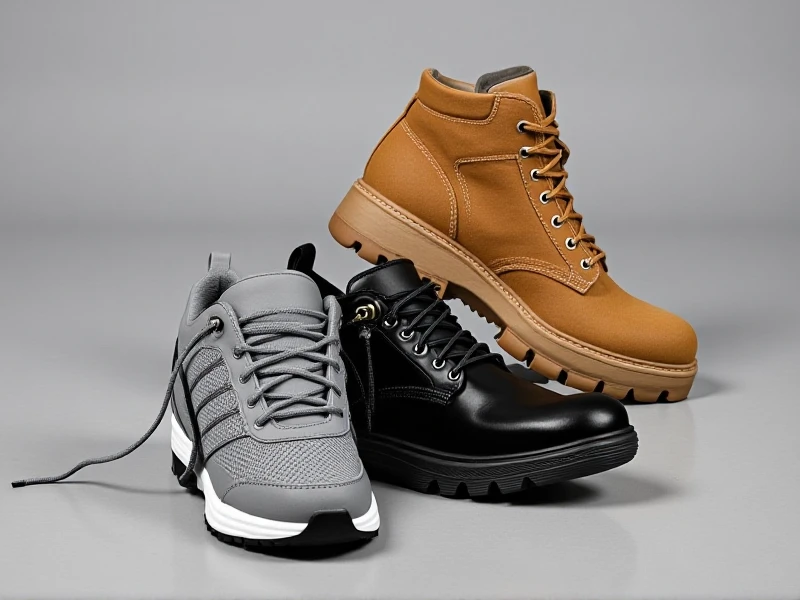
Ultimate Guide to Choosing the Best Work Shoes for Safety and Comfort
The right pair of work shoes is crucial for safety, comfort, and productivity across countless professions. Whether you navigate hospital corridors, construction sites, factory floors, or busy kitchens, your feet need protection and support through demanding shifts.
Why dedicated work shoes make a difference:
-
Safety First: Many industries legally require specific safety features. Look for ASTM-rated protective toes (steel, composite, or aluminum) guarding against heavy impacts and compression. Slip-resistant soles are vital on greasy or wet surfaces, preventing dangerous falls. Electrical hazard (EH) protection is essential for electricians, while puncture-resistant midsoles shield feet from sharp objects lurking on construction sites.
-
All-Day Comfort: Stand or walk for hours? Fatigue leads to decreased performance and long-term health issues. Quality work footwear offers enhanced arch support, ample cushioning, ergonomic insoles, and adequate breathability. Features like shock-absorbing heels and contoured footbeds distribute weight evenly, reducing strain on feet, knees, and back. Brands focus on lightweight designs without compromising protection.
-
Durability That Endures: Work environments are tough on footwear. Invest in occupational shoes made with premium materials like durable full-grain leather, tough synthetic uppers, or waterproof membranes. Reinforced stitching, wear-resistant soles, and easily cleanable surfaces ensure your boots withstand daily abuse and last significantly longer than regular shoes.
Choosing the Perfect Pair:
- Identify Your Hazards: Match the features to your specific job risks. A chef prioritizes non-slip performance, while a warehouse worker needs toe protection.
- Prioritize Fit: Ill-fitting shoes cause blisters and pain. Measure both feet later in the day when feet swell, prioritize width support, and ensure room to wiggle toes. Try shoes on with work-appropriate socks.
- Comfort Technologies Matter: Memory foam, gel inserts, cushioned collars, and moisture-wicking linings significantly improve comfort over long shifts. Breathable options are essential in warm environments.
- Compliance: Ensure footwear meets ANSI/ASTM standards relevant to your industry as a starting point.
Beyond protection, the best work shoes, from classic lace-ups to slip-ons and athletic-inspired styles, enhance focus by eliminating foot pain and worry. Break shoes in gradually and replace them when worn - your safety hinges on secure footing and reliable protection. The investment in properly rated, comfortable work boots or shoes pays dividends in well-being and reduced workplace injury risk. Treat your feet right; they carry you through every workday challenge.